
What is Social Media Engagement?
Social media engagement occurs when a user of a social media service takes action with the content of another social media user. For example, when a user comments on another user's status update, the action of commenting is considered engagement.
Engagement is important to users who want to become more visible, such as a business or celebrity, because engagement promotes visibility and is similar to spreading information by word-of-mouth, only the reach is broader due to the vast numbers of people using social media.
An important aspect of engagement for you is that most engagement actions that take place between you and the brand is considered public and visible to anyone on the social media site. A like may be relatively harmless, but when you are a comment and express yourself in response to a brand's post, your comments are public, unlike commenting with a friend.
Let's take a look at some of the most common types of engagement.
Types of engagement action
Social media engagement occurs with activities that are similar to social media services. There are some unique ways engagement can happen however since some social media services have featured the are different or unique. Let's look at some of the most common ways engagement takes place first.
Commenting
A comment is a type of engagement action that takes place when a user writes a comment or provides feedback to a status update or post from another user. On Facebook, when you see a status update (also known as a post) from a friend and make a comment on it, you're engaging with their original post.
Brands that are trying to promote themselves like comments on their status updates because when a user makes a comment, some of the user's friends are notified that a comment was made. The social media site pushes information out to the friends of the user who made a comment creating word-of-mouth visibility. The Like button is a simple way to comment without needing to type any text, and some people find it easier to click the Like button rather than type something.
Other social media sites also have commenting features that create visibility for the original post. Instagram, Pinterest, and LinkedIn use comments, but on Twitter, the Reply button is the way to make a comment on a post.
Sharing
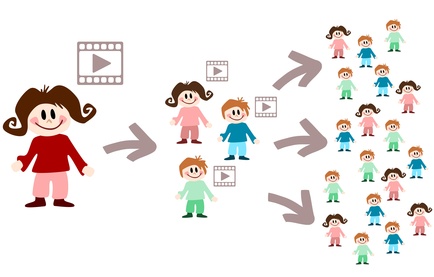
When a user shares a status update or post, they are forwarding the original post to their connections on the social media site. Imagine you see a post by a brand, business, or other organization, and you want your friends or followers to learn about it. By clicking a share button, you can forward the original post. Sharing is called Retweeting on Twitter and Re-Pinning on Pinterest. Any of these actions create more visibility for the original post because you've sent it to your connections.
When people engage with a brand's content on a social media site, it spreads the name of the brand along with content that the brand posted.Each engagement action includes the name of the user that did the action (like a comment) and the name of the account that created the original post. The name includes a link to the original post so anyone viewing it can click on the account name and go to the original post on the brand page that posted it.
That's why brands want engagement with users of the social media service. And this engagement can be measured.
Social Media Engagement Metrics
For brands promoting themselves, social media sites provide engagement metrics may include the number of times that a business's content that is “liked,” or the frequency with which its posts are shared. No matter how you define social media engagement, there is no denying that you need some comprehension of it to succeed in social media marketing.
Essentially, social media engagement is a way to measure just how much of an impact your social media marketing is making on your target market's radar. If you do not know the extent to which your social media content is being engaged, with then, you won't know the value of the content that you produce.
Professionalism and Personality
Every business with social media presence needs to strike a balance between being both professional and personal. The business must understand that it isn't about the brand itself, but about the things that the customer finds useful and relevant. Though not every single post will be engaged with to the point of going viral, the trust will increase naturally so long as the business doesn't stray too far from its commitment to providing authentic value with its expertise.
To my way of thinking
People have personal preferences. These include places like favorite restaurants, a brand of clothing, cause or non-profit. Social media, for better or worse, has given individuals the ability to connect with not only people they know but with businesses, non-profits, organizations and individual users who create and publish content that's interesting, useful, or entertaining. It's OK to reflect your preferences through your likes and shares, and even in the comments, you make.
Not a subscriber? Don't miss a single issue: