
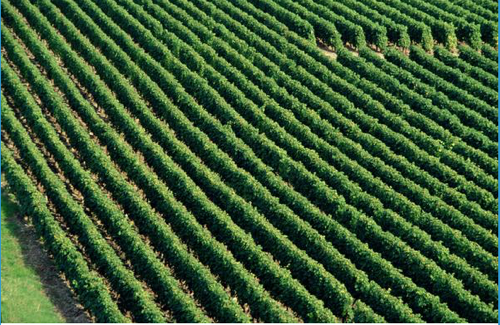
What is Precision Agriculture?
Precision agriculture (PA) is a farming method utilizing technological and scientific advancements to obtain the best possible crop output. Precision agriculture results in increased farmland production, keeping food costs lower and farms more productive.
The overall goal of precision agriculture is to enhance yields through planning and studying data and information about the farmland and crop. Satellites now provide more data than ever before about soil conditions with advanced instruments and combined with GPS locations provides a wealth of information. Precision agriculture starts with something called a soil map.
The Soil Map
A soil map shows the condition and usability of farmland. By using this map, it's possible to determine the most appropriate crops to plant, correct any soil deficiencies, and achieve maximum yields.
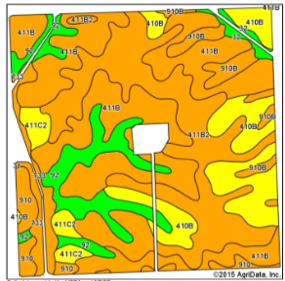
The process of soil mapping involves using satellite imagery to create different zones. A zone contains information about the soil, which includes data on the nutrients, texture, organic matter, pests, and moisture levels of any area. Different values for the land result in a topographic map organized into soil zones.
By combining all of the gathered information on a zone-by-zone basis, the farmer is then able to determine which zone will support which crop in the most efficient manner and predict yields for each zone. Different crops will have different effects on the zone in which they were planted, and comparing seasonal results assists the farmer in making these decisions. Once the crop type has been determined and planted, the process of information gathering continues to measure the health of the crops and the soil during the growing season.
Increased efficiency and output
One of the most beneficial aspects of implementing precision agriculture is economic efficiency for farmers. By putting information gathering techniques to work and applying the results, a farm can maximize profits while providing the market with more products.
Environmental impact
Aside from the monetary gain farmers can expect, the environmental impact on the soil itself can be mitigated. Maintaining soil health is a priority to achieving abundant crop yields year-after-year.
Some crop types deplete different resources as they grow, making crop rotation a step toward limiting environmental impact. Putting precision agriculture techniques to use helps farmers know what crop type each zone needs on their soil map to remain healthy and agriculturally viable. With accurate data about the soil, soil improvements are only applied where and when it's needed.
Farming equipment
In addition to satellite imagery and data. The equipment used in agriculture has been enhanced with technology. Planting crops is done by GPS guided seeders, which when combined with data about the soil conditions allows planting to occur at the most optimal time. Combines use GPS and collect data about the crop yield as they are harvesting, providing up-to-the-minute data about crop results.
Wireless sensors on sometimes used on farms to collect data about soil and air temperature in a zone, moisture levels of the soil, and even the diameter of a plant. This monitoring allows the condition of a crop to me monitored while it's growing and detect any problems early.
Drones (also called Unmanned Aerial Vehicles or UAVs for short), are used to provide a visual inspection of crops with recorded video for analysis or comparison. Sprayers use GPS satellites for accurate spraying of fertilizer and pest control using a variable-rate application method to apply only the amount required precisely where it's needed.
Around the world
Precision agriculture has helped improve crop yields around the world. IN addition to the United States, farmers in Canada, Australia, Europe, Latin America and Asia all use the technology. Governments and international organizations such as the United Nations provide precision agriculture education and services to local farmers who might not be able to make the investment in training and equipment. And environmental organizations use precision agriculture to support sustainable farming methods, helping to preserve the ability of soil to produce food and prevent the depletion of cropland.
To my way of thinking
By way of information gathering thanks to technological advancements, the efficiency of farming is has increased as more data is available and is a way technology helps to put more food on our table.
Not a subscriber? Don't miss a single issue: