
Tech Term of the Week: What is GPS?
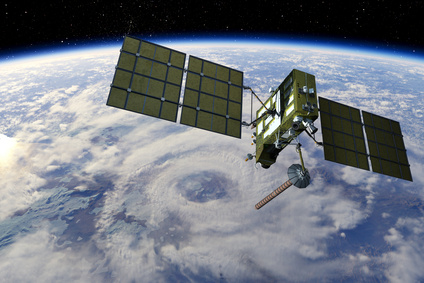
GPS stands for the global positioning system. The system is composed of 24 satellites that are constantly orbiting the earth from 1200 miles above it. Originally launched in 1978 by the U.S. Department of Defense, the satellite system was opened up for civilian use in the 1980s. The satellites constantly transmit information and run on solar energy.
Although the government does not charge for use of the system, you must purchase a receiver in order to access the system. The receiver is the GPS device that is sold and that you need to use in your car, boat or other vehicles. Many cellular phones, for example, iPhones and Android models, have built-in GPS receivers. The GPS receiver accesses the data transmitted from the satellites and interprets it in order to identify your location.
How a GPS receiver works.
It may seem like magic, but the GPS receiver is really a computer with software that calculates the data it receives from the satellites into information you can use. It needs to receive data from three satellites in order to identify your exact location.
You then enter your destination address. GPS software includes a map database that converts your location provided by the satellites and the destination address you have entered, into a map that shows you the most direct route to your destination. It also includes the distance and travel time. Some other examples of GPS map databases are golf course GPS devices, which have golf course maps stored in their database, and hiking GPS devices, which contain a hiking trail database.
Some GPS receivers have an additional capability and can connect to the Internet. Usually, this is through a cell phone network like Verizon, AT&T, or Sprint. Smartphones like the iPhone and Android models include this capability, and other GPS receivers are available with the ability to connect to the Internet. Using their Internet connection, these devices can access information that's available on Internet databases, such as real-time traffic information, and show it on their display screen.
Why some receivers are more expensive.
The cost of the receiver depends on the software included. You can add software that can locate and map specific locations. For example, you can get directions to the nearest Starbucks or gas station. You can buy one without a screen that tells you what to do by audio, or one with a screen so you can follow your progress on the map. The cost depends on the software you want to be included and the size of the screen.
The receiver needs a good antenna in order to receive the data from the satellites. Because the transmissions from the satellites travel by line of sight, the receiver does not work in caves, buildings, underwater, or in tunnels.
Benefits of a GPS receiver.
The system works in all types of weather and works 24 hours a day. It will tell you exactly how to get to your destination from your current location, how long it will take you there, and how many miles away it is. If you use a GPS receiver, you may never get lost again.