
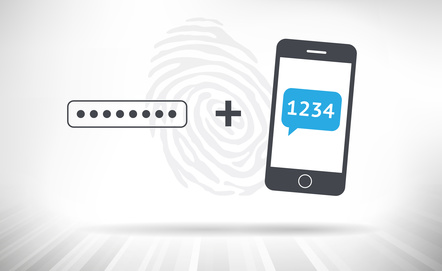
What is Two-Factor Authentication?
Two-factor authentication is a security method that requires two steps to verify a person's identity when using online login. Most electronic user accounts have used a single factor to when logging in. You're probably familiar with your username, which is your account, and the password, which is one “factor” in identification. Using two “factors” adds a layer of security and safety to make sure your online accounts are secure but requires an additional step.
Where does the “two-factor” come from?
“Two” must mean that there is a quantity two of something. “Factor” is often defined as an element or a part of something. “Authentication” refers to the verification of someone's identity who requests access to a website or app. Therefore, two-factor authentication must mean that there are two elements that need to be verified to determine one's identity.
What is one-factor authentication?
Most personal technological systems such as your laptop, iPhone, or television, parental controls have only one element of authentication and is usually what we call a password. You type in “catdog12” into your laptop or “4493” into your iPhone, and the device unlocks itself from its secured state. The password is the system's way of knowing that you are the person requesting access.
However, for someone to access your account, they only need to obtain your password, a single factor. In order to increase security, two-factor authentication was created, where not only a password is required, but also a piece of information that is personal to that user.
What's an example of two-factor authentication?
Google and Apple logins offer two-factor authentication. Often you're given the option to select this when you create your account, or a reminder message appears offering you the opportunity. Activating two-factor authentication usually means that when you log in to an account, you'll need to enter your username, password, and another verification, such as a passcode sent to your mobile phone. Here's an example of how two-factor authentication makes it harder for someone to hack into your account.
One example of two-factor authentication is entering your password, but once this password is entered correctly, the second factor of security would appear on your phone such as, “Enter your four-digit passcode.” Think about it concerning someone illegally trying to obtain information that is not their own. If there is no two-factor authentication, they can enter the system after guessing the password correctly.
However, with two-factor authentication, if someone can guess or crack the first password, they must also know the four-digit passcode and must have the user's phone to type in the four-digit passcode. Having this extra form of security is very common for many facilities. In fact, Penn State had a security breach in the summer of 2015, so they implemented the two-factor authentication for all of their students and had not had problems since.
To my way of thinking
While it's an additional step in making your online account secure, two-factor authentication is one of the best methods for protecting personal and private information. With more and more of our money, personal data, and activity going online, people follow the path to the money and your online account is a target.
Increased security measures such as two-factor authentication and others like fingerprint ID on smartphones will make you a harder target for a potential thief.