
What is Pay Per Click Advertising?
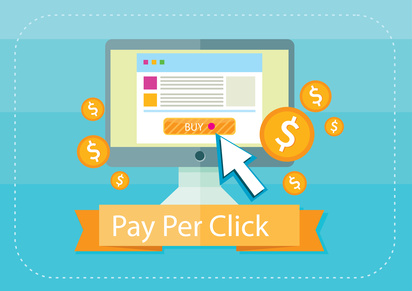
Pay Per Click is an advertising program used by Google and other sites. When a visitor searches for information on Google, the search engine shows two kinds of results. One is from sites that match the keywords used in the search, and the other is from advertisers who have requested their ads appear for those same keywords. Pay Per Click is often abbreviated as "PPC."
Why advertisers like Pay Per Click ads.
Pay Per Click is successful is because it produces results for advertisers. If you are advertising car tires and there's a way to put your ad in front of people who are searching for information on car tires, you have a much better chance of making a sale. In advertising parlance, your "conversion rate" goes up.
But Google takes the proposition one step further. The rule for PPC advertising is you only get charged a fee if someone clicks on your ad. Now the advertising budget only applies to ads that are at least somewhat successful. Prior to PPC advertising, an advertiser would pay to run an ad in a magazine or newspaper and pay based on how many subscribers the publication reached. The advertiser had no way of knowing whether people took action when they saw the ad.
With the ability to track when a person clicks on an ad, this new feature was now available to advertisers. If you're running a commercial for your burger stand, you will know how many people saw your ad, but you have no way of knowing which viewers made a decision to respond to that ad. With PPC, you do.
Google's business and other PPC options.
Google has turned PPC advertising into a multi-billion dollar worldwide business. Most people think Google is a search engine company. While they run one of the most popular search engines, the majority of their revenue comes from charging advertisers a variable rate depending on what keywords they want to activate their ads.
They are also not the only company to use the PPC model. There are numerous other companies that have implemented Google's model to generate ad revenue. Yahoo!, Facebook, Twitter, LinkedIn, and other websites base their income on advertising. They have experienced varying levels of success, but by and large, the model is a successful one provided there is enough competition for the popular and lucrative keywords.
Google certainly couldn't have invented PPC advertising at a better time. As more time is spent using the Internet, there are more hours in the day to display PPC ads to people using Google for search. Since there are more ways people use the Internet besides search, such as Social Networking, Facebook has become the 2nd largest company in terms of revenue from PPC advertising with over 1.5 million advertisers using it.
Google is always looking to find ways to make Google search more useful and has expanded PPC ads into Gmail, YouTube, and Google's social network, Google +. The PPC business model is a sound one. It's likely to be successful for some time to come.
In addition to Google, social media sites also offer PPC advertising options to with a variety of options including increased followers and to drive traffic to a website.
To My Way of Thinking
While PPC ads may seem annoying and intrusive, the public receives services for free, since the advertisers support the costs. For now, it seems as though people are willing to live with PPC ads in return for free services on the Internet.
Not a subscriber? Don't miss a single issue: