
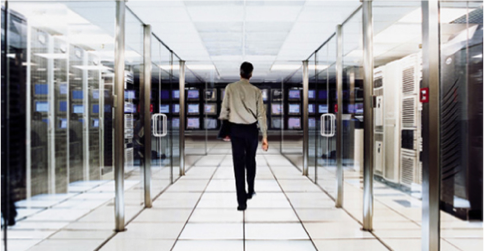
What is a Data Center?
A data center is a facility filled with computing equipment that stores and allows easy access to digital information. It's like a library that houses books in a central location that is easy to access, only all the information is electronic. If you've ever used a cloud service or a social media website such as Facebook, and wondered where all of that information “goes,” the answer is that it gets stored in a data center.
Without data centers, the cloud and much of our use of the Internet would not be possible. You probably have a few questions now like, who runs them, what does a data center look like, how do they run, and why should you care about this?
Who runs data centers?
Companies such as social media websites like Facebook, device makers like Apple, software companies like Microsoft, or communications companies run data centers to store enormous amounts of information, customer account information, phone messages, emails, and other services that require storing vast amounts of data.
Governments and their agencies (think three letters) that monitor global communications also require large spaces in which to store information for analysis at a later date. Data centers are the most efficient way to store these enormous quantities of information, almost indefinitely.
Some data centers like a storage facility, where a smaller organization and individuals can rent space and equipment for their computing and storage. Even more amazing is that some data centers operate as computing utilities, where everyone rents computing resources. In fact, one of Amazon's largest lines of business is a service that rents computing and storage capacity on-demand, much like a utility that provides electricity or water on an as-needed basis. Many cloud services and websites use Amazon's network of data centers and just write a check every month rather than own their own equipment and space.
What do data centers look like?
Data centers can come in any variety of sizes, from as small as a room to the size of a modern shopping mall. It's not the size that makes a facility a data center; it's the fact that it was built to hold computer equipment. Computers and computing equipment use power and generate heat. You may have noticed that any room in your home that has a computer seems a little warmer than other rooms, and this is because of the heat generated by your computing equipment.
Most home and office computers have a “standby” mode which reduces power consumption and heat when you're not using them, but in a data center, the computers run all the time. Put a few dozen, a few hundred, or thousands of computers in one room, and you get the idea.
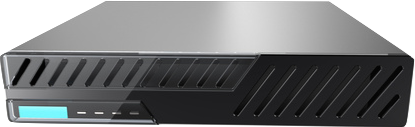
The computers and electronics in data centers mount in racks and take up much less space than our home equipment. Looks and appearance on a desk don't matter, it's size and space utilization that counts so many of the pieces of equipment are about the size of large coffee table sized books. The sides of these “books” have brackets for mounting in a rack so many of them can be stacked in a small amount of floor space.
Power, cooling, and locations for data centers
Large mall-size data centers require a great deal of electricity in order to support the machinery, as well as needing a way to keep it cool. The largest data centers use as much energy as a small town so finding reliable, low-cost electricity is important, as well as a locale with a cooler temperature that needs less air-conditioning.
As a result, data centers are built around the world and often companies locate their data centers near each other since they all need reliable, low-cost power and a cooler climate. In the United States, the Portland area is a popular location for data-centers on the west coast. It's close to the Columbia River dams that generate reliable power for much of Oregon, and it's not a hot-weather area.
One another requirement for data centers is a fast Internet connection so that all of the computers and data can be accessed through the Internet from outside of the data center. After all, having it all in one place doesn't make sense unless you can get to the computers and data fast. With improvements in network technology and equipment, Internet and network connections of all types have become faster, which has allowed organizations to centralize computers in a location.
In a way, we're moving back to an older style of computing that used mainframes and dumb terminals where people used a desktop device to access information and software that was centrally managed by an information technology staff.
One is not enough
Organizations like to use data centers in different locations to create redundancy and have a back-up in case a disaster affects one data center. If one data center cannot operate, another data center can take over the computing and use a back-up copy of the data. The backup process is usually automatic, but the software and expertise required to manage it require a lot of technical preparation. Providing customers virtually non-stop access to their accounts, data, and information requires computer experts and a well-designed data center operation with lots of planning for any contingency.
The ability to keep the computers and equipment running is a priority for any data center operation, and backup for power outages is an important issue. Most data centers come with backup power supply if they ever lose access to their primary source, such as when they experience a blackout during a storm. Systems such as gas generators or batteries keep the data center running during a power outage.
Environment and security
The environmental impact of a large data center is significant, usually because of power consumption. As a result, companies are looking into ways in which to provide environmentally friendly data centers that use less power. Some data centers that don't need to be near population centers are being moved to arctic locations, like Norway as the outside air temperature helps to cool the data center machinery.
Because information is a valuable commodity, data centers often use sophisticated security devices to prevent unauthorized entry to the facility both physically and electronically.
To my way of thinking
Moving that picture to the cloud, sending an email, accessing an online bank account, booking a trip, or posting on a social media site use the resources of a data center, which is pretty amazing and has changed all of our lives immensely.
Not a subscriber? Don't miss a single issue: