
Marketing with Facebook and Social Media
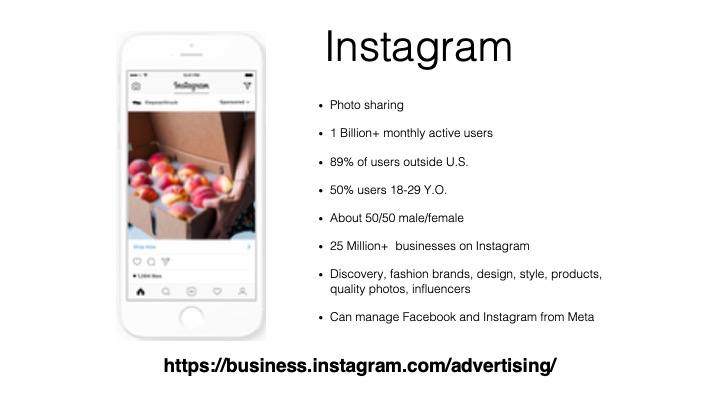
This class includes information that will help you get started with marketing on social media. From the basics of creating a Facebook Brand Page for the new social media marketer to advanced audience targeting with ads, you'll learn step-by-step how to use social media in the most effective ways. For more experienced social media marketers, we'll cover both organic and paid marketing for Facebook, Instagram, X/Twitter, LinkedIn, Pinterest the and SnapChat, along with the demographic makeup of each of the popular social networking sites.
Your Course includes:
- A complete recording of the live class
- A download of the video you can keep on your computer
- A 50+ page workbook with detailed information
- Access to a discussion group for Q&A
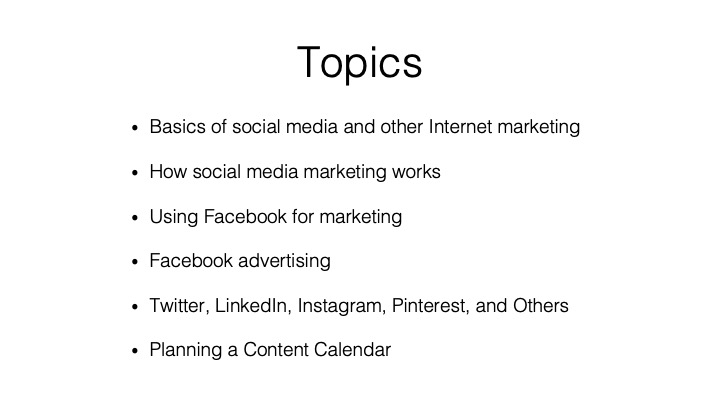
Topics include:
- Basics of social media marketing
- How social media marketing is different
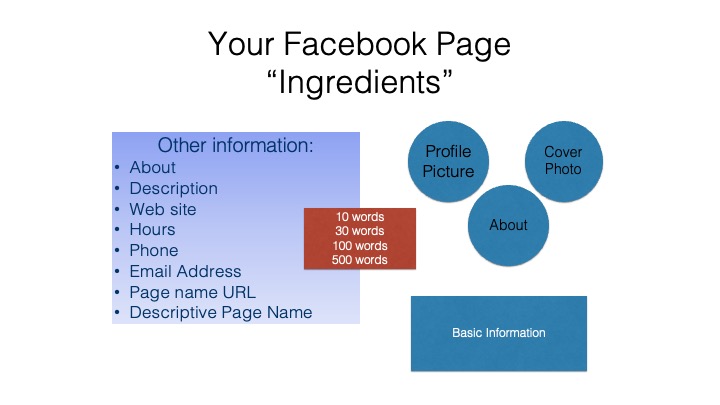
- Creating a Facebook Brand or Business Page
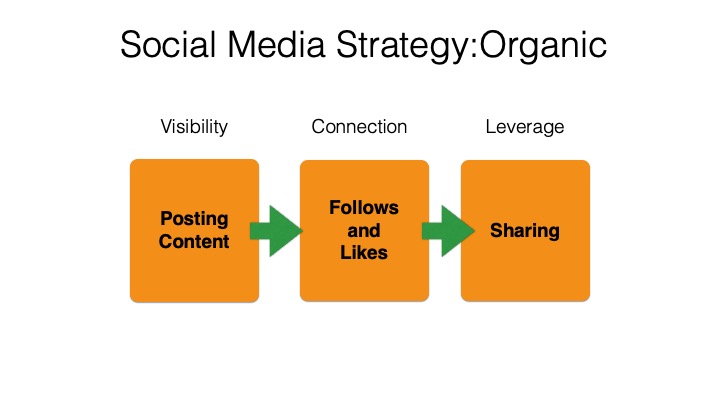
- Organic marketing methods
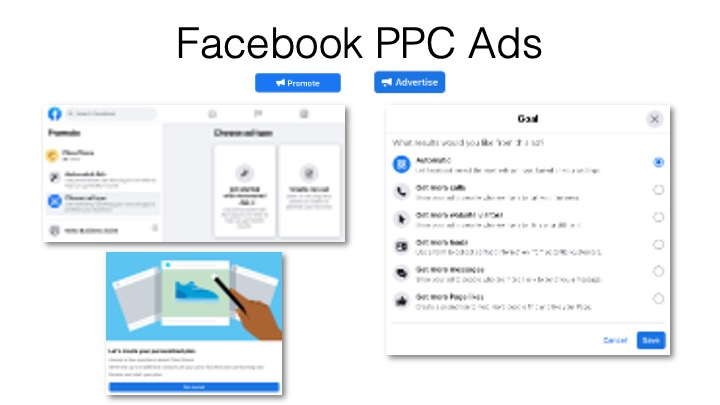
- Paid ads on Facebook and other sites
- Demographics of the various social media sites
- Planning and steps to take
Taught at Pasadena Community College, Los Angeles Valley College, Sierra College, Saddleback College, and Los Angeles City College, you'll have access to the same material used in the class to learn how to start or polish up your blog. Included are slides and text from the class workbook, along with dozens of resources for additional help.
Join Now for Online Access to Class Materials
Course Outline
Purpose of the Course
- Introduce the basics of social media marketing with a focus on Facebook
- Explain how different platforms work and what tools they provide
- Help participants create, manage, and promote their social media presence effectively
Marketing Fundamentals
- Understanding the marketing cycle: visibility, trust, and relationships
- How social media creates modern word-of-mouth
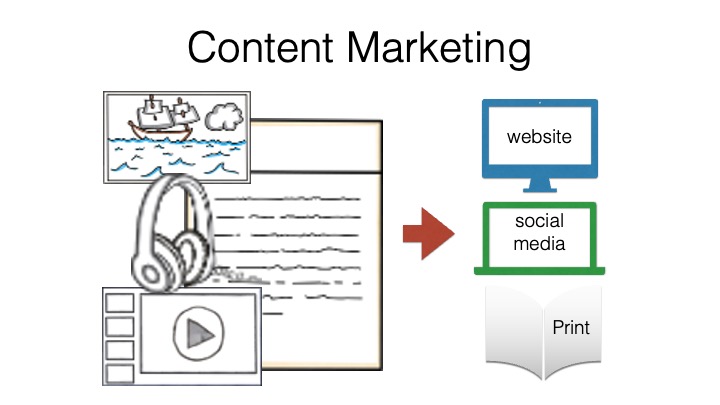
- Content marketing as the foundation of digital promotion
Core Elements of Social Networks
- Joining: creating accounts and profiles
- Connecting: building networks of friends, followers, and groups
- Sharing: posting text, images, video, and stories
Content Creation and Strategy
- Organic vs. paid approaches
- Types of content: posts, images, video, reels, stories
- Developing an idea bank and using stories to engage audiences
- Importance of consistency and practice in posting
Understanding Your Audience
- Defining the perfect customer and their interests
- Learning from competitors (benchmarking)
- Using worksheets and exercises to profile your target market
Facebook for Marketing
- Personal accounts vs. brand pages
- Cover photos, profile images, and about information
- Posting updates, photos, videos, and live events
- Using Meta Business Suite and professional dashboards
Instagram and Visual Platforms
- Reels, stories, and photo-sharing basics
- Hashtags and audience engagement
- Cross-promotion with Facebook brand pages
- Influencers and branding opportunities
Other Social Media Platforms
- Twitter/X: immediacy, news, and PR opportunities
- LinkedIn: business-to-business networking and groups
- Pinterest: idea sharing, boards, and product-focused audiences
- YouTube and TikTok: video as a dominant content type
- Snapchat: younger demographics and hyper-local advertising
Paid Advertising on Social Media
- Boosting posts vs. creating campaigns
- Ad creative: text, visuals, and calls to action
- Audience targeting by demographics, geography, and interests
- Budgets, durations, and campaign management
- Using Ads Manager and analytics to measure results
Analytics and Insights
- Facebook Insights and Instagram demographics
- Engagement metrics: likes, comments, shares
- Learning from analytics to improve content strategy
Tools and Automation
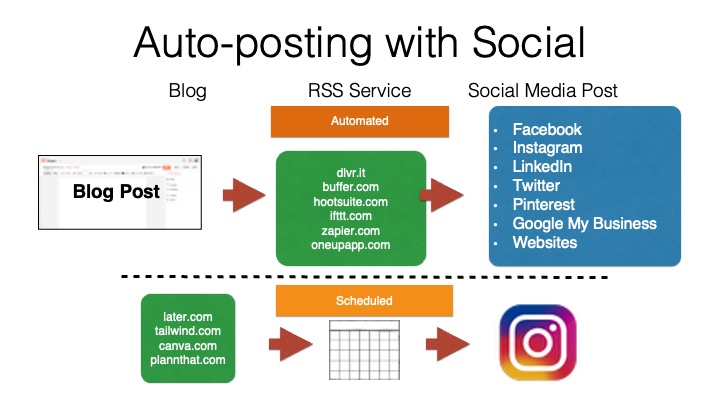
- Using blogs and RSS feeds for automated posting
- Scheduling tools: Buffer, Hootsuite, dlvr.it, Later, OneUp, Canva
- Content calendars for consistency
- Balancing manual and automated posting
Best Practices and Next Steps
- Start with one or two platforms where your audience is active
- Set a realistic posting schedule and increase frequency with practice
- Focus on consistency and storytelling
- Review analytics regularly and adjust strategy
- Build long-term trust and relationships through content