
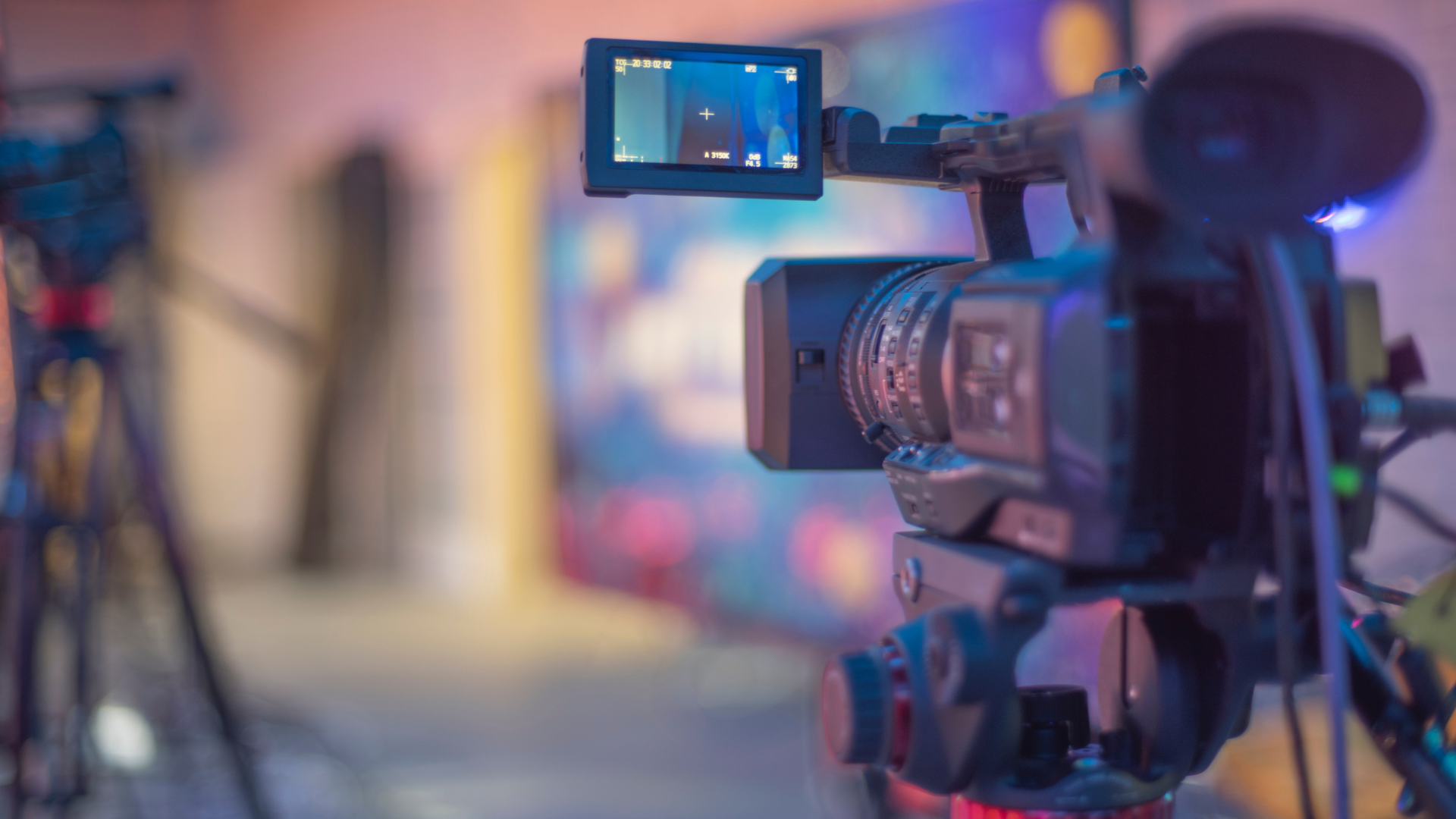
Live Streaming
A live stream is like watching a TV show as it's being made, right now, only through the internet. Instead of watching a live TV broadcast over an antenna or cable, you are watching a live internet broadcast. You might see your favorite singer perform a concert, a teacher conducting a class, or a popular gamer playing a video game in real-time.
Watching a live stream, you observe events or actions as they unfold. The magic of live streaming lies in its immediacy. Think of it like watching a live sporting event on your TV. You get to view it as it happens. With a live stream, you experience things as they occur, giving it a sense of connection and closeness unique to this medium.
There is a difference between live and non-live streaming, which I'll explain later in this article.
Where can you watch live Streaming?
Live streaming has found its home in several places on the internet. YouTube Live is a popular choice for a broad range of content. Whether you're looking to watch a product launch, a music concert, a space mission, or a political rally, you can often find it streaming live on YouTube.
Facebook Live is another platform that offers a live-streaming service. Many users and businesses leverage Facebook's vast social network to stream content to a broad audience. Whether a live question-and-answer session with a favorite author or a fitness instructor providing a workout session, it's happening in real-time on Facebook Live.
Twitch is a platform trendy in the gaming community. Streamers broadcast their gameplay, and viewers not only watch these games being played live but also engage with the streamers through chats. It provides an interactive space for gamers to connect, share strategies, and enjoy the thrill of games together.
What about other Zoom and other live streaming services?
Some websites, like my Tech Explorer Community, offer a live stream feature where I can "go live" anytime. Because Tech Explorer Community is a members-only website, only members can join the live stream broadcast.
Tools like Vimeo offer people who want to create videos the ability to broadcast a live stream on the Vimeo website, stream it to YouTube and Facebook, and make a recording. This allows the content creator to reach a bigger audience, record their session, and make it available for playback.
Zoom and other web meeting tools could also be considered live streaming. Zoom lets users broadcast a meeting to YouTube, Facebook, and other websites. Zoom is regarded as a meeting tool because, in addition to making a live person available to watch, Zoom offers additional tools for people to ask questions and chat as part of the live session.
What kind of streaming isn't live?
Non-live streaming is a different way of experiencing content. Non-live streaming (also referred to as just "streaming") is like watching a recorded TV show or movie whenever you want. Think of services like Netflix or Disney+. The content is finished; you can start, stop, or pause anytime. Unlike live streaming, there's no chance to catch something unexpected as it happens.
When you watch a movie on Netflix, for instance, you're watching a product that has been through several rounds of scripting, shooting, and editing before it reaches your screen. It is a finished product. This allows you to have more control over your viewing experience. You can pause, replay your favorite scene, or stop and resume watching later.
This is different from live streaming, where everything is happening now. If you step away from a live stream, you may miss something important because the stream moves on in real-time. The suspense and unpredictability of 'what happens next' in live streams can be exhilarating.
Many individual content creators, such as instructors, YouTube channels, and small businesses, make recordings for their audience to watch. In many cases, the videos are made from live stream broadcasts. The content creator does a live stream, then makes the recording available for people who didn't attend the live event.
Comparing the two types of streaming
One type of streaming is not necessarily better than the other. Live and non-live offer different experiences. Non-live streaming can deliver high-quality, polished content you can consume at your leisure. The likes of Netflix and Disney+ have even produced many award-winning movies and shows that audiences worldwide enjoy. Video production doesn't require a significant expense, and numerous individuals create and produce videos available for playback.
On the other hand, live streaming offers a raw, unedited experience. It allows a level of interaction between the streamer and the viewer that watching a recording can't replicate. Viewers can often comment or ask questions during the live stream, and the presenter or support staff can respond in real-time. This can make viewers feel more involved and engaged with the content.
Wrap-up
In conclusion, live Streaming and non-live Streaming are two distinct ways to consume content on the internet. While they offer entertainment and information, how they deliver it varies greatly. Non-live streaming gives you a viewing experience you can control and watch at your own time and pace.
At the same time, live streaming offers you a seat in the front row of unfolding events, where anything can happen. Both have their place in our digital world, catering to different needs and preferences.
Check the calendar for internet marketing, social media marketing, SEO, eCommerce, technology, and Living Abroad classes.