
Introduction to Internet Marketing
Learn the nine steps professionals use to market any business or organization online. In this comprehensive guide, for beginners and others looking to improve, we'll cover the most popular online tactics from SEO, advertising, social media, channels, affiliates, e-commerce, content marketing, and the #1 marketing approach recommended by Google and others. This course will help you get started and take your marketing up a level, help you learn how to do-it-yourself or hire and manage an agency do the work for you.
Your Course includes:
- A complete recording of the live class
- A download of the video you can keep on your computer
- A 50+ page workbook with detailed information
- Access to a discussion group for Q&A
Topics covered include:
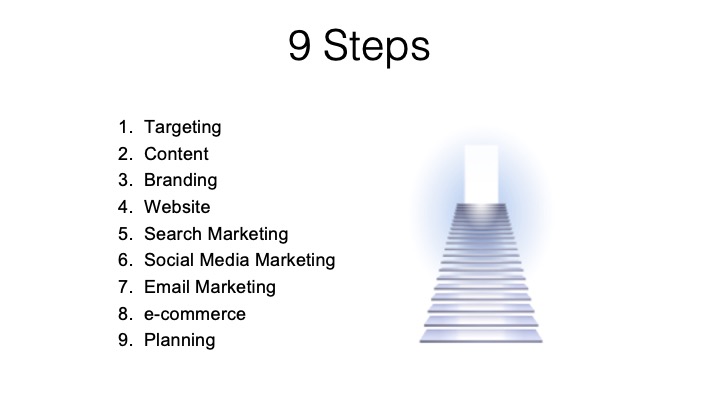
- Nine steps professional online marketers use
- What content marketing is and how to use it
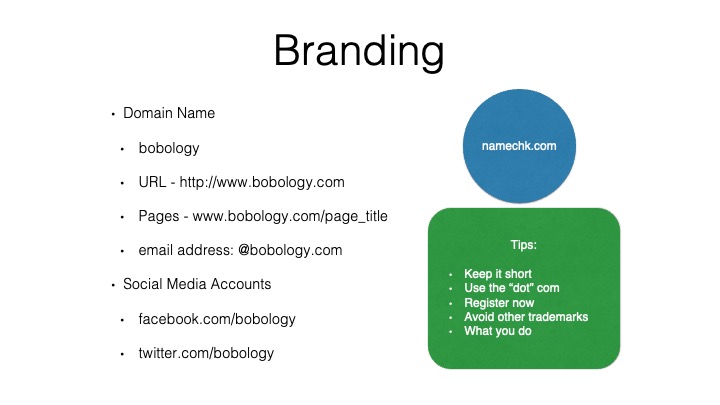
- How to choose the best domain name
- Basics of Search Engine Optimization
- Social Media Marketing
- Best website for online marketing
- E-Commerce essentials
- Reputation management
- Pay-Per-Click Advertising on Google and Social Media
Taught at Pasadena Community College, Los Angeles Valley College, Sierra College, Saddleback College, and Los Angeles City College, you'll have access to the same material used in the class. .
Join Now for Online Access to Class Materials
Course Outline
Purpose of the Course
- Provide a step-by-step framework for Internet marketing
- Show how different marketing tools fit together into a complete strategy
- Help small businesses, entrepreneurs, and individuals understand and apply marketing effectively
Overview of Internet Marketing
- Difference between marketing and sales
- Funnel concept: visibility, trust, and conversion
- Inbound vs. outbound marketing
- Role of word-of-mouth and social sharing
Targeting and Audience Understanding
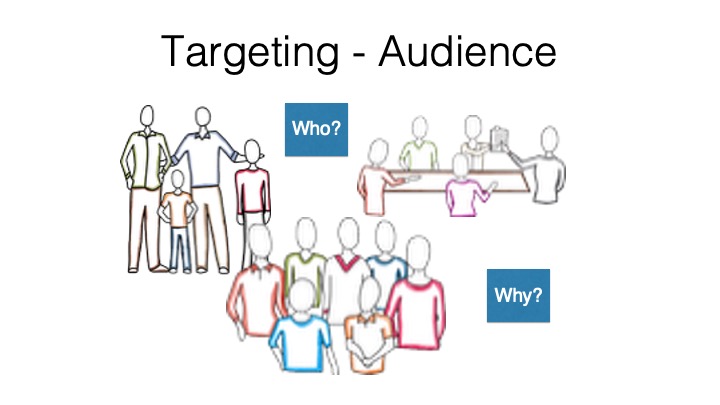
- Defining your ideal customer
- Demographic and competitive analysis
- Value proposition: who, what, and why
- Tools and checklists for audience profiling
Content Creation and Strategy
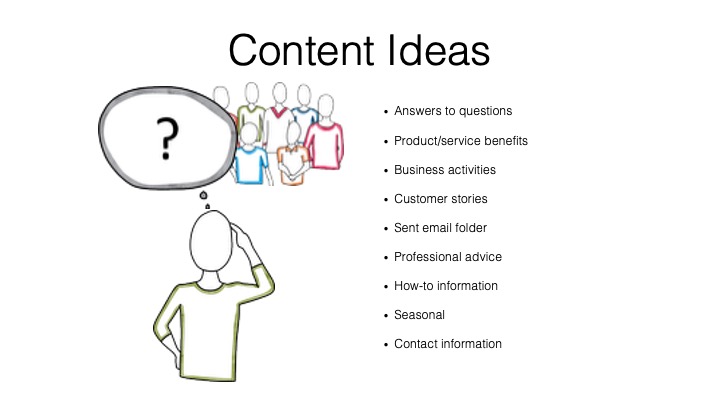
- Content as the foundation of marketing
- Types of content: text, images, video, audio
- Reusing and repurposing content (blog → social → email)
- Developing a content calendar and consistent schedule
Branding and Online Presence
- Importance of consistent names, domains, and handles
- Building recognition across websites, email, and social media
- Examples of effective branding strategies
Websites and Blogs
- Role of a website as the hub of marketing
- Difference between static websites and blogs
- Key website features: responsiveness, automation, landing pages
- Essential pages: About, Contact, Products/Services, Testimonials, Privacy
Search Engine Optimization (SEO)
- Importance of keywords and local listings
- Using Google My Business, Apple Maps Connect, and Bing Places
- On-page strategies: titles, alternate tags, product descriptions
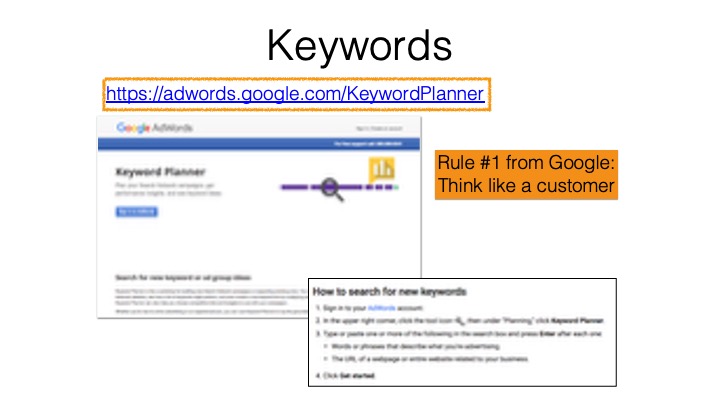
- Google Keyword Planner and avoiding keyword stuffing
Search Engine and Online Advertising
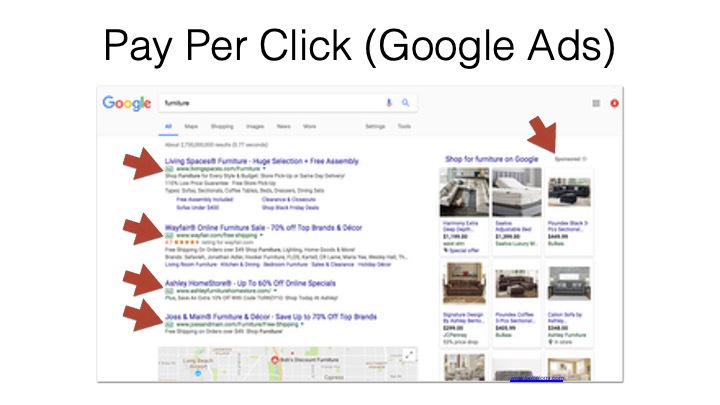
- Pay-per-click (PPC) basics and bidding on keywords
- Campaign setup: goals, targeting, budgets, and landing pages
- Using Google Ads, YouTube, and display networks
- Tracking with Google Analytics
Social Media Marketing
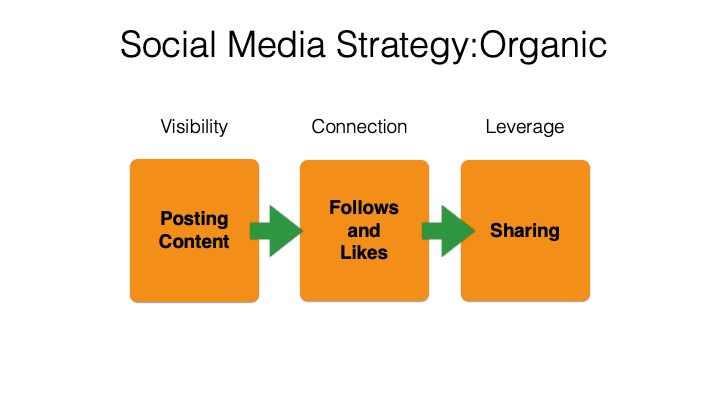
- Organic strategies: posting, sharing, engagement
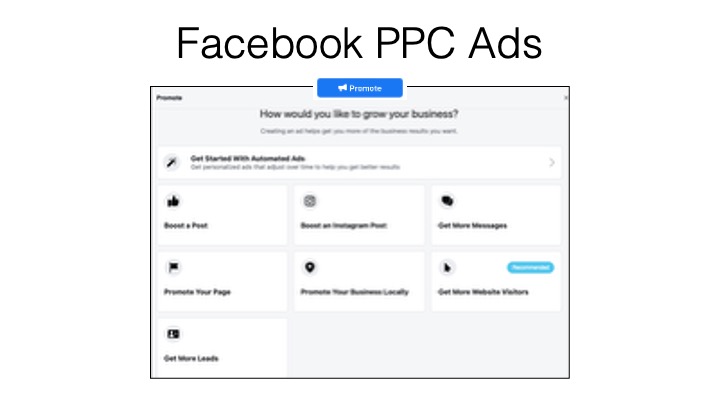
- Paid strategies: boosting posts, lead ads, targeted campaigns
- Major platforms: Facebook, Instagram, YouTube, Pinterest, LinkedIn, TikTok
- Scheduling and automation tools (Buffer, Hootsuite, dlvr.it)
Email Marketing
- Value of building an email list
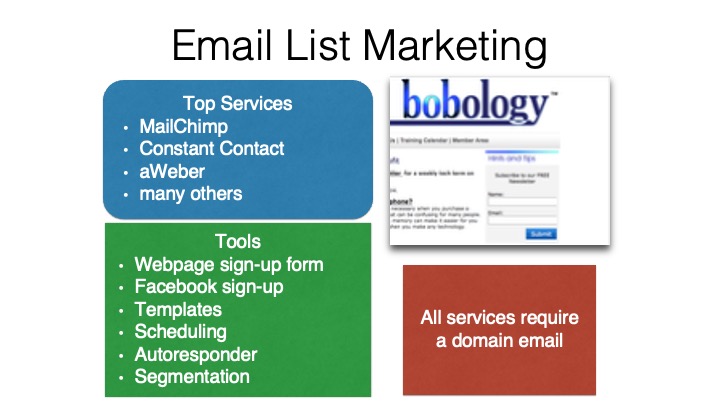
- Tools: Mailchimp, Constant Contact, Aweber
- Creating compelling reasons to subscribe
- Scheduling, segmentation, and measuring performance
E-Commerce and Online Sales
- Payment processing tools: PayPal, Stripe, Square
- Shopping carts and platforms: Shopify, WooCommerce, BigCommerce
- Selling direct vs. using channels (Amazon, Etsy, eBay)
- Appointment booking and digital downloads
Reputation and Reviews
- Importance of online reviews and testimonials
- Platforms: Google, Yelp, Facebook, ecommerce sites
- Collecting and showcasing positive customer experiences
- Role of customer satisfaction policies
Putting It All Together
- The nine steps of Internet marketing (targeting, content, branding, website, SEO, social media, email, ecommerce, scheduling)
- Balancing inbound and outbound approaches
- Reviewing and adjusting your strategy regularly
- Building long-term customer relationships