
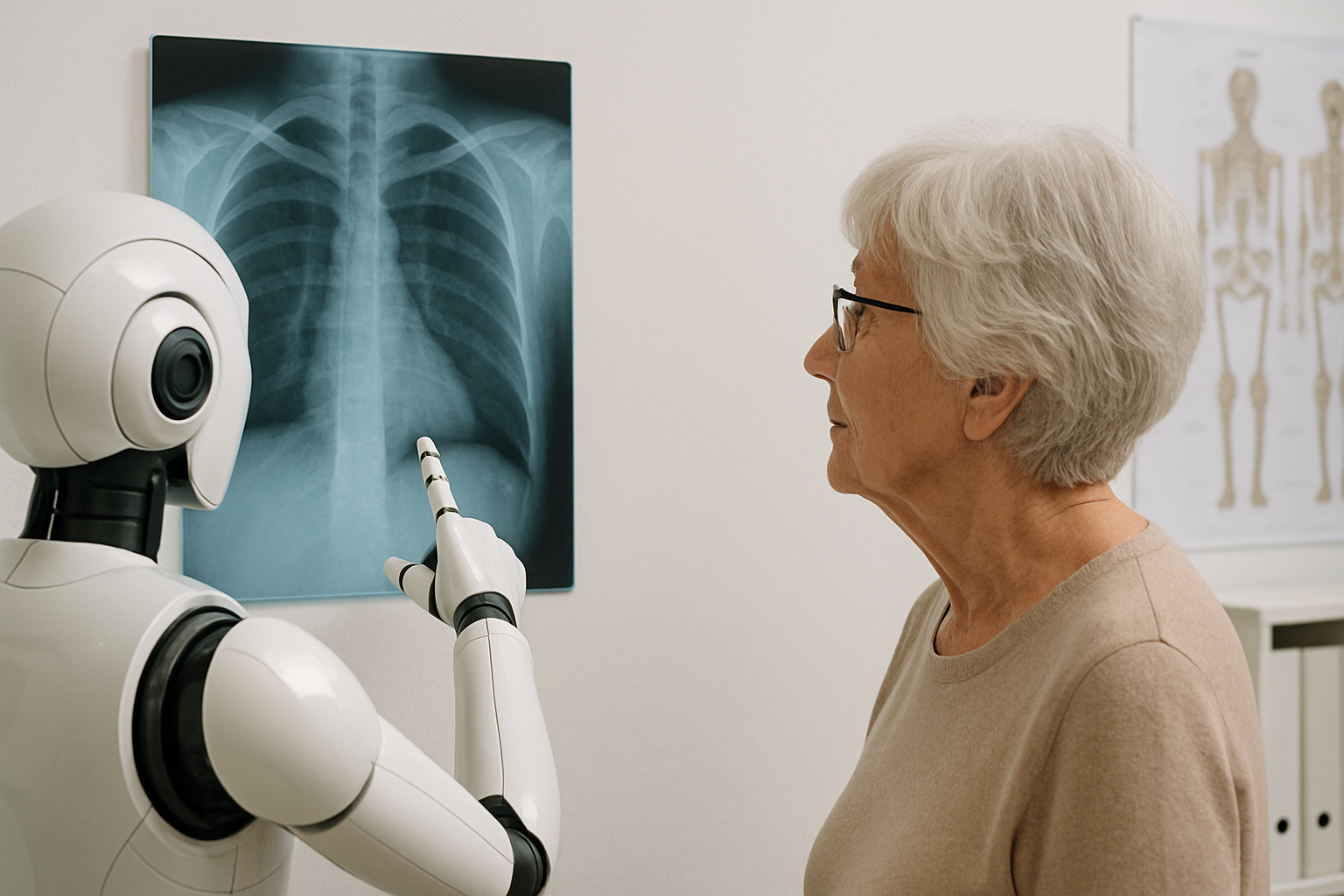
How AI is Helping Senior (and other) Health Care
What is AI in Health Care?
AI in health care refers to computer systems that can process information, learn from it, and assist in decision-making or pattern recognition. AI tools can analyze large volumes of data, such as medical images, lab results, sensor data from wearables, and patient histories, faster and more accurately than any human could alone.
While many older adults tend to approach AI with skepticism, fearing its complexity or potential pitfalls, the reality is that AI is already making a tangible difference in their health and well-being.
By combining advanced data analysis with practical applications, AI addresses some of the most pressing health challenges aging populations face. From detecting heart irregularities through smart devices to tailoring cancer treatment plans based on genetic profiles, AI is proving to be an innovation and a trusted ally in maintaining and improving health as individuals age.
Benefits of AI for Seniors and Caregivers
So, how does AI help seniors? Well, it's doing some pretty amazing things: it can spot diseases early, create personalized care plans, and even give seniors more independence through gadgets that monitor their health remotely. On top of that, it makes communicating with doctors easier and more efficient. Imagine having tools that help you stay healthier and keep you connected to your healthcare team.
For older adults, AI's value lies in its ability to detect early warning signs, personalize care plans, and assist patients and health care providers with ongoing monitoring and support.
For the 55+ age group, three of the most concerning health challenges are heart disease, cancer, and cognitive decline, including Alzheimer's and other forms of dementia. These conditions carry a high risk not only because of their prevalence, but also because early detection and consistent monitoring can significantly improve outcomes.
Let's look at how AI is used for these three risks.
Heart Disease: Predicting and Preventing the Leading Killer
Heart disease is the number one cause of death worldwide, and its risk increases with age. However, AI is helping change the outlook for aging adults through:
- AI-Powered Imaging and Diagnostics: AI systems can interpret ECGs and other images fast and accurately, identifying issues and aiding diagnosis. Tools like Aidoc, QureAI, and Test Dynamics are used worldwide.
- Personalized Risk Assessment: AI tools integrate lifestyle, genetics, and medical history to forecast heart disease risks. Aidoc (previously mentioned above) provides medical professionals with a unified view for patient care.
- Remote Monitoring Tools: FDA-approved AliveCor Kardia is used for heart monitoring, and smartwatches like the Apple Watch and Fitbit, while not medical-grade devices, can detect atrial fibrillation and other anomalies to aid in early detection.
Cancer: Earlier Detection and Better Outcomes
Cancer is the second leading cause of death in older adults. AI contributes significantly to these areas:
- AI in Radiology and Pathology: Tools from Google Health and PathAI enhance diagnostic precision.
- Predictive Oncology: AI helps oncologists predict treatment response, using tools from Tempus.
- Genomic Analysis: AI decodes genetic data to identify risks and match patients with targeted therapies.
Cognitive Decline: AI for Brain Health and Early Intervention
Here are some examples of how AI is used to treat cognitive decline affecting millions of aging adults:
- Speech and Language Analysis: Apps like Winterlight Labs detect early signs of dementia through speech.
- Imaging and Brain Scans: AI tools can detect early Alzheimer's through advanced MRI interpretation.
- Cognitive Training and Virtual Companions: Devices like ElliQ and cognitive apps offer stimulation and reduce isolation.
Other Areas AI is Being Used
Beyond primary conditions like heart disease, cancer, and cognitive decline, AI also contributes to broader improvements in senior health care. It supports personalized medicine by analyzing individual health profiles to recommend tailored treatments and care plans. AI enhances medication management, helps predict potential falls or emergencies, improves care coordination among providers, and assists with emotional well-being through conversational agents.
FREE MEMBERSHIP NOW AVAILABLE
Join my new Tech Explorer Community for weekly Tech Topics, AI Topics, Q&A, and more.