
Cloud Terms: Bare Metal and Virtual Machines
One of my readers asked me to explain some terms he recently heard: bare metal and virtual machines. These terms might seem distant from everyday tech experiences for the average consumer. However, they're used by technology professionals to describe part of how the "cloud" works.
Since the cloud can significantly impact your daily life, it's worth better understanding it. Here's why these concepts matter and how they can affect you.
Bare Metal Basics
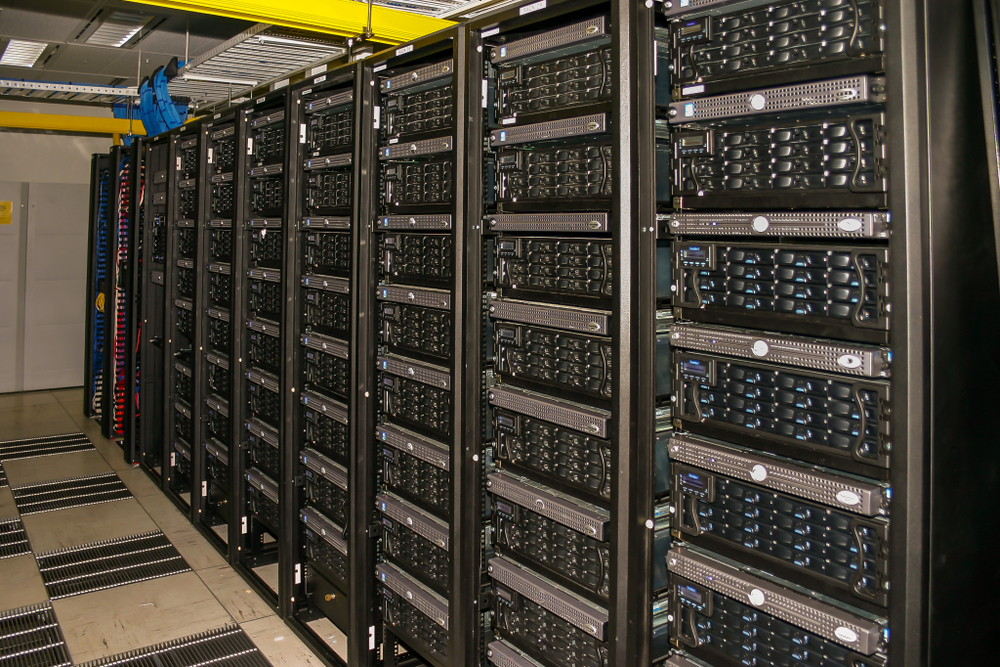
Bare metal describes a physical computer with an operating system, memory, storage, and one or more software applications. It's similar to how you might think of a personal computer, but it's built with more components to provide resources to more than one user at a time.
One reason it's referred to as "bare" is that the software applications and operating systems run on the "bare" physical computer with nothing between them and the computer. In contrast to bare metal, there is a type of computer that doesn't run directly on the hardware, called a virtual machine.
Virtual Machines (VM)
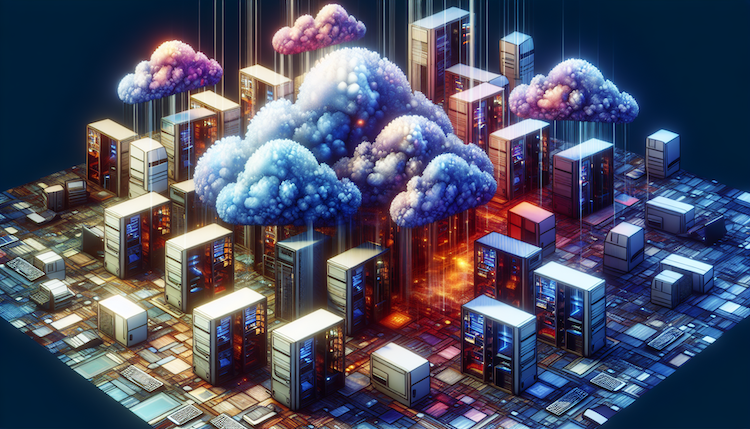
Imagine if you could create software-based computers that run on another computer's hardware and operating system, just like application software. That's what a virtual machine is. For example, I use a Mac computer but also run a Windows computer on it. I have my Mac, with its hardware and operating system, and I was able to install a Windows operating system because I use another software called Parallels, which allows me to use virtual computers on my Mac.
Parallels makes "virtualization" possible, allowing me to install a complete version of Windows on my Mac. Parallels gives my Windows virtual computer access to my Mac CPU, memory, storage, and other hardware. This capability is called virtualization. Parallels for Mac is priced economically for consumers who want to use one physical computer (bare metal) to run another computer (VM) without needing a second one.
Parallels for my Mac allows me to run one "virtual" machine at a time.
However, more sophisticated virtualization software is used in cloud data centers, enabling many virtual machines to run on one bare-metal computer. Instead of needing several physical computers for each operating system installation, virtualization lets you create "virtual machines" on one computer.
Each virtual machine operates as if it were a separate computer, with its operating system and application software, while sharing the hardware resources of the single physical machine. The sharing of the hardware helps maximize the use of the computer's capabilities and simplifies the management and deployment of different systems and applications.
Amazon, Microsoft, and Google run their cloud services using a mix of bare metal, virtual machines, and virtualization. In addition to providing services directly to consumers, these organizations use their expertise and resources to deliver cloud services to businesses and other organizations. Here are some reasons why these concepts make cloud computing possible.
Significance of Bare Metal
Performance: Many online services consumers use daily, such as streaming services, online gaming, and cloud storage, run on bare metal servers. These servers provide the raw computing power required to efficiently handle millions of users and massive amounts of data.
Impact on Consumers:
Reliability and Speed: When a service runs on a bare metal server, it can offer higher reliability and faster response times, which consumers experience as smoother streaming, quicker downloads, and more responsive online gaming.
Enhanced Experiences: Users engaging in high-performance tasks benefit from the direct control and optimization possible with bare metal setups.
Significance of Virtual Machines
VMs enable the isolation of different applications and tasks, enhancing security. Each VM is a completely independent computer. This isolation is crucial for online services where data separation is vital.
Resource Efficiency: Service providers can optimize resource use by running multiple VMs on a single physical server, reducing costs and improving efficiency.
Impact on Consumers:
Improved Security: When consumers use online banking, shopping, or other services, VMs help ensure their data is isolated and protected, reducing the risk of breaches.
Service Availability: Efficient resource use through VMs means service providers can offer reliable, always-available services at lower costs, translating to lower prices or better service for consumers.
Wrap-Up
While you may not know you're using bare-metal and virtual machines in the cloud, they are integral to cloud services' performance, security, and reliability.
Understanding the terms bare metal, virtual machines, and virtualization can help you appreciate how cloud service providers use computers as efficiently as possible, making reliable, cost-effective services possible.
FREE MEMBERSHIP NOW AVAILABLE
Join my new Tech Explorer Community for weekly Tech Topics, AI Topics, Q&A, and more.